Chalk Stream Cambridge 2026 Urban Water Management Update

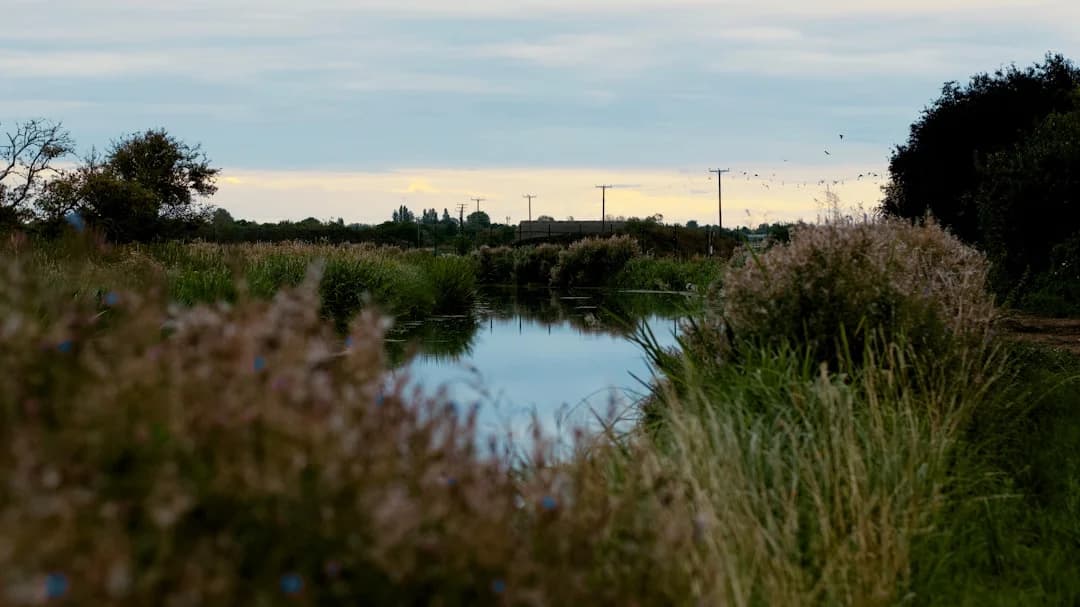
Photo by Rui Chamberlain on Unsplash
The Cambridge City Council and partners announced significant progress on the Chalk Stream Cambridge 2026 urban water management effort, a flagship initiative aimed at protecting and restoring Cambridge’s once-threatened chalk streams through an evidence-led, catchment-scale approach. In February 2026, restoration works began across multiple sites, and by mid-March the project had formally launched a fifth case study site at Cherry Hinton Brook as part of a wider five-site network in the city. The move marks a concrete step in what officials describe as a long-term program to stabilize banks, reduce sedimentation, and improve water quality while engaging local communities in real-time monitoring and restoration activities. This is a timely reminder that chalk streams—rare, groundwater-fed waterways that support diverse wildlife—sit at the intersection of urban planning, water security, and biodiversity in Cambridge and beyond. The project’s leaders emphasize that the work is not a single fix but a data-driven traversal toward healthier streams that can better withstand urban pressures and climate variability. (cambridge.gov.uk)
Community involvement sits at the heart of Chalk Stream Cambridge 2026 urban water management. Anglia Ruskin University has recruited a cadre of citizen scientists—65 volunteers across Cambridge City and South Cambridgeshire—who are conducting weekly high-resolution water-quality monitoring across the chalk stream network. The program is designed to transform the project’s understanding of urban chalk streams by providing continuous, ground-level data that feed directly into restoration decisions. On the ground, more than 20 volunteers are part of the dedicated restoration team delivering in-channel and bankside improvements, alongside contracted specialists and local partner groups. The organizers describe this volunteer-driven model as essential to delivering measurable ecological benefits while building long-term stewardship in the community. This combination of academic collaboration, citizen science, and practitioner-led restoration is repeatedly framed as a core strength of the initiative. (cambridge.gov.uk)
The project’s design centers on a catchment-wide philosophy, recognizing that urban pressures and historical land-use practices affect chalk streams far beyond any single watercourse. Project leaders emphasize that monitoring, data interpretation, and iterative restoration must inform every intervention, from upstream flow management to downstream habitat creation. The effort also operates within a broader policy and funding landscape that includes support from the Cambridgeshire and Peterborough Combined Authority, Anglian Water, Cambridge Water, and Cambridge City Council, with additional backing from the Rivers Trust and the Cam Ely Ouse partnership. This ecosystem-wide approach aims to lay the groundwork for scalable, replicable solutions that could influence chalk-stream management across the region and beyond. (cambridge.gov.uk)
What Happened
Case Study Sites Across Cambridge
As part of the Greater Cambridge Chalk Stream Project, Cambridge’s city network has been organized around five case-study sites designed to yield high-resolution, actionable evidence about restoration and water quality dynamics. The Cherry Hinton Brook site marks the fifth location for demonstration work alongside Coldham’s Brook, Hobson’s Brook, Giant’s Grave, and Nine Wells. Each site has been selected to test a different restoration approach and to capture a representative range of pressures faced by urban chalk streams. The five sites function as a coordinated system, with data from each site feeding into a city-wide understanding of how interventions affect ecological function, sediment dynamics, and hydrology. The March 19, 2026 briefing explicitly ties these sites to the project’s overarching objective: to protect, restore, and enhance the chalk stream network that spans Cambridge and its surrounding catchment. (cambridge.gov.uk)
Ground-level Restoration Works and Methods
The on-the-ground delivery at the five case study sites features a suite of restoration techniques designed to stabilize banks, reduce erosion, and improve habitat structure. Key measures include targeted tree and shrub management to balance light and shade, maintaining root systems to stabilise banks while enabling vegetation to establish, and the introduction of nature-based features to reshape channels for more diverse flow regimes. In addition, restoration teams are using biodegradable materials—coir rolls and matting, brash bundles, and carefully selected gravels—to enhance habitat complexity and support ecological recovery. These methods are being applied in a carefully monitored sequence to capture how different interventions interact with local hydrology and water quality. The intent is to generate robust, site-specific evidence that can inform decisions across Cambridge’s chalk-stream network. (cambridge.gov.uk)
Monitoring and Evidence Base
A central pillar of the project is its rigorous monitoring regime. The mode for collecting data includes a formal citizen-science program led in partnership with Anglia Ruskin University, designed to deliver consistent, high-resolution water-quality data across multiple sites. The March 2026 update notes that volunteers are carrying out weekly sampling and that ARU has developed a monitoring program that combines scientific rigor with practical field delivery. The newsletter underscores that the resulting data are foundational for understanding how chalk streams respond to intervention and for guiding future restoration actions. The project emphasizes that evidence-based delivery—rather than assumption—drives planning and implementation across Cambridge’s chalk streams. (cambridge.gov.uk)
Funding and Governance
The Greater Cambridge Chalk Stream Project is a multi-funder collaboration designed to ensure long-term viability and technical depth. The city council notes that the project is jointly funded by the Cambridgeshire and Peterborough Combined Authority, Anglian Water, Cambridge Water, and Cambridge City Council. In addition, the Rivers Trust and the Cam Ely Ouse partnership contribute through other channels, while the project aligns with broader catchment-based approaches and philanthropic partners such as Big Chalk. The March 2026 materials also highlight ongoing negotiations with major funders to scale up the program toward city-wide restoration, indicating a transition from demonstration sites to larger-scale implementation as data and governance align. The formal acknowledgments section lists these funders and partners as critical to the program’s momentum. (cambridge.gov.uk)
February 2026: The Start of Field Delivery
February 2026 marked a turning point when Aquamaintain began on-site restoration across multiple Cambridge locations, working in close coordination with GCCSP staff, the Biodiversity Team, and the Flood and Drainage Team. The on-ground work followed an evidence-led assessment of the chalk streams’ pressures, enabling site-specific designs that align with the project’s overall restoration logic. The newsletter emphasizes that this was a deliberate, data-informed shift from monitoring to delivery, signaling the project’s transition toward tangible habitat improvements while continuing to collect high-quality evidence to guide subsequent actions. (cambridge.gov.uk)
Public Participation, Collaboration, and Community Themes
Beyond the technical and scientific work, Chalk Stream Cambridge 2026 urban water management foregrounds community engagement as a central element. The city council and partner organizations highlight the role of volunteers, local groups, Abbey People, Hobson’s Conduit Trust, and Cambridge communities in ground-level restoration and citizen science. The collaboration extends to academic institutions and local authorities, reflecting a shared belief that sustained urban water resilience requires broad participation and transparent communication. The March 2026 update underscores that volunteer networks, campus partnerships, and community-led delivery contribute to both outcomes on the ground and the broader legitimacy of the program. (cambridge.gov.uk)
Why It Matters
Environmental and Biodiversity Implications
Chalk streams hold a unique ecological niche in England, with groundwater-fed flows supporting sensitive species and habitat structures that differ markedly from more typical river systems. The project’s emphasis on preserving and restoring springheads, stabilizing gravels, and reducing nutrient loads aligns with a broader consensus that urban chalk streams require holistic management from springhead to downstream reach. The March 2026 materials note that chalk streams are among the rarest and most fragile habitats on Earth and that Cambridge’s urban chalk streams are a defining natural feature of the city. The evidence-based approach aims to translate localized improvements into broader ecological gains, contributing to the potential for larger-scale gains in biodiversity across the chalk-stream network. The project also situates these efforts within a national and regional context that recognizes chalk streams as a high-priority ecological asset. (cambridge.gov.uk)
Water Quality, Sedimentation, and Urban Resilience
A focal point of Chalk Stream Cambridge 2026 urban water management is to address water-quality challenges tied to urban runoff, road-salt pollution, sedimentation, and nutrient inputs. The March 2026 briefing notes that urban tributaries and drains can carry elevated nutrients, fine sediments, and contaminants associated with runoff, which in turn affect in-stream habitat and oxygen levels. The project’s restoration strategies—habitat stabilization, enhanced oxygenation, and sediment management—are designed to mitigate these pressures while building a foundation for more resilient urban waters. The documentation also emphasizes the need to understand baseline conditions and to interpret data across the catchment to avoid misdirected interventions, reinforcing the project’s commitment to a disciplined, evidence-based process. (cambridge.gov.uk)
Community Engagement and Public Accountability
The active involvement of citizen scientists and local volunteers is presented as both a methodological asset and a social objective. By incorporating volunteer monitoring and community-based delivery, the project seeks to create a transparent feedback loop between science and local stakeholders. The ARU-led water-quality program, with its weekly data collection across multiple sites, is highlighted as a model of how urban environmental initiatives can merge public participation with rigorous science. The newsletters highlight the value of community engagement not only for data collection but also for widening public understanding of chalk-stream dynamics and the need for ongoing stewardship. (cambridge.gov.uk)
Policy Context, Funding Landscape, and Regional Implications
The Chalk Stream Cambridge initiative sits within a layered funding and governance framework that includes the CPCA, Anglian Water, Cambridge Water, and Cambridge City Council, along with the Rivers Trust and other partners. This structure reflects a wider regional and national push toward integrated water-resource management, urban flood resilience, and nature-based solutions. The March 2026 materials indicate ongoing negotiations with funders to scale up the program, signaling that the project aims to transition from demonstration sites to city-wide restoration if the funding and governance conditions align. This context positions Chalk Stream Cambridge 2026 urban water management as a potential reference model for other urban chalk-stream regions contemplating similar, data-driven restoration programs. (cambridge.gov.uk)
National and International Significance
The project’s framing within a broader national conversation about chalk streams—highlighted in project communications and associated channels—speaks to a growing interest in recognizing chalk streams as strategic ecological assets. The March 2026 materials discuss the potential for UNESCO recognition as part of a long-term ambition to elevate the profile of chalk streams at national and international levels, reinforcing the importance of robust evidence, effective governance, and community engagement as prerequisites for aspirational status. While this remains an emerging objective, the project’s emphasis on science-led delivery and transparent stakeholder collaboration aligns with broader conservation and water-management trends at scale. (cambridge.gov.uk)
What’s Next
Scaling Up to a City-wide Restoration Program
Project leaders are actively negotiating with major funders to advance from city-city-case study demonstrations to a broader, city-wide chalk-stream restoration program. The March 2026 update notes that the data and experiences from the five case-study sites are informing a broader delivery plan, with the aim of expanding restoration and pollution-mitigation efforts across Cambridge’s chalk stream network. This potential scale-up would require alignment of funding streams, governance structures, and delivery partners, as well as continued robust monitoring to ensure that restoration targets are measurable and scalable. The project’s leadership emphasizes that any expansion will be guided by evidence and established milestones rather than optimism alone. (cambridge.gov.uk)
Timelines and Next Steps for 2026
The March 2026 materials indicate that after February 2026’s field delivery, the project intends to advance the next phase of catchment-scale restoration alongside urban-pollution mitigation efforts in key areas. The newsletters note that the next phase will involve aligned in-channel and riparian restoration projects, coupled with urban-water-management interventions designed to improve chalk-stream water quality. The plan also highlights upcoming restoration work in Abington and Linton later in the summer and autumn of 2026, signaling a staged approach to growth across the Cambridge urban chalk-stream network. Funders’ negotiations and formal announcements regarding the next phase are anticipated in due course, with ongoing updates expected through 2026. (cambridge.gov.uk)
What to Watch For: Monitoring, Reporting, and Public Communication
Looking ahead, the project aims to maintain a strong evidence base as a foundation for broader delivery. The ARU-led citizen science program and the formal water-quality reporting process will continue to generate data that are essential for evaluating success and identifying necessary adjustments. The March 2026 materials stress that the project is built on a cycle of monitoring, analysis, design, delivery, and re-evaluation, ensuring that changes in policy, funding, or local conditions can be reflected in the restoration plan. As communication remains a critical element, the project’s leadership commits to timely, clear on-site interpretation and formal updates through newsletters and official channels to avoid misinterpretation and to keep stakeholders informed. (cambridge.gov.uk)
Closing
Cambridge’s chalk streams are more than a local environmental feature; they are a lens on urban resilience, water security, and community participation in environmental stewardship. The Chalk Stream Cambridge 2026 urban water management program represents a disciplined, data-driven approach to restoring an iconic landscape while embedding rigorous monitoring and collaborative governance into every step. With five on-the-ground case studies, a growing volunteer network, and a clear plan to scale up, the project is setting a benchmark for how cities can align ecological restoration with urban development and public engagement. As the data accumulate and funders align, Cambridge will continue to publish updates that help residents, researchers, and policymakers understand what works, what doesn’t, and how to replicate success in other chalk-stream landscapes. For readers seeking the latest developments, Cambridge City Council’s Greater Cambridge Chalk Stream Project pages and the project’s March 2026 newsletter provide the most timely, authoritative sources of information. (cambridge.gov.uk)